
A
Anonymous User
Meta, Google
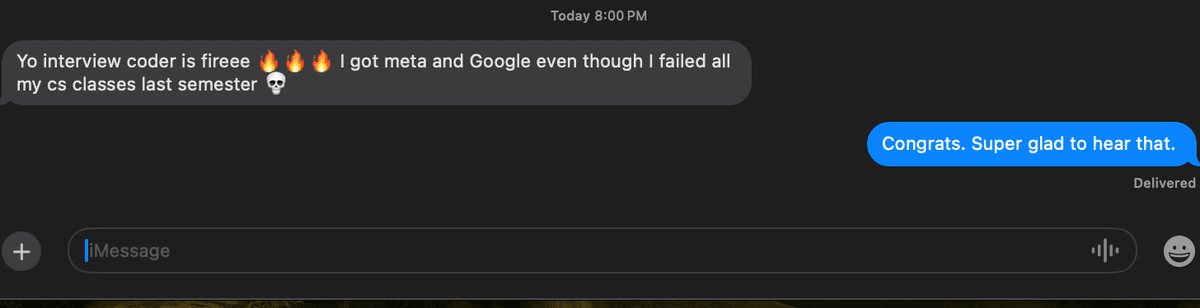
Got Meta and Google offers even though I failed all my CS classes!
Optimal Implementations for Trees, Graphs, Heaps, and Tries
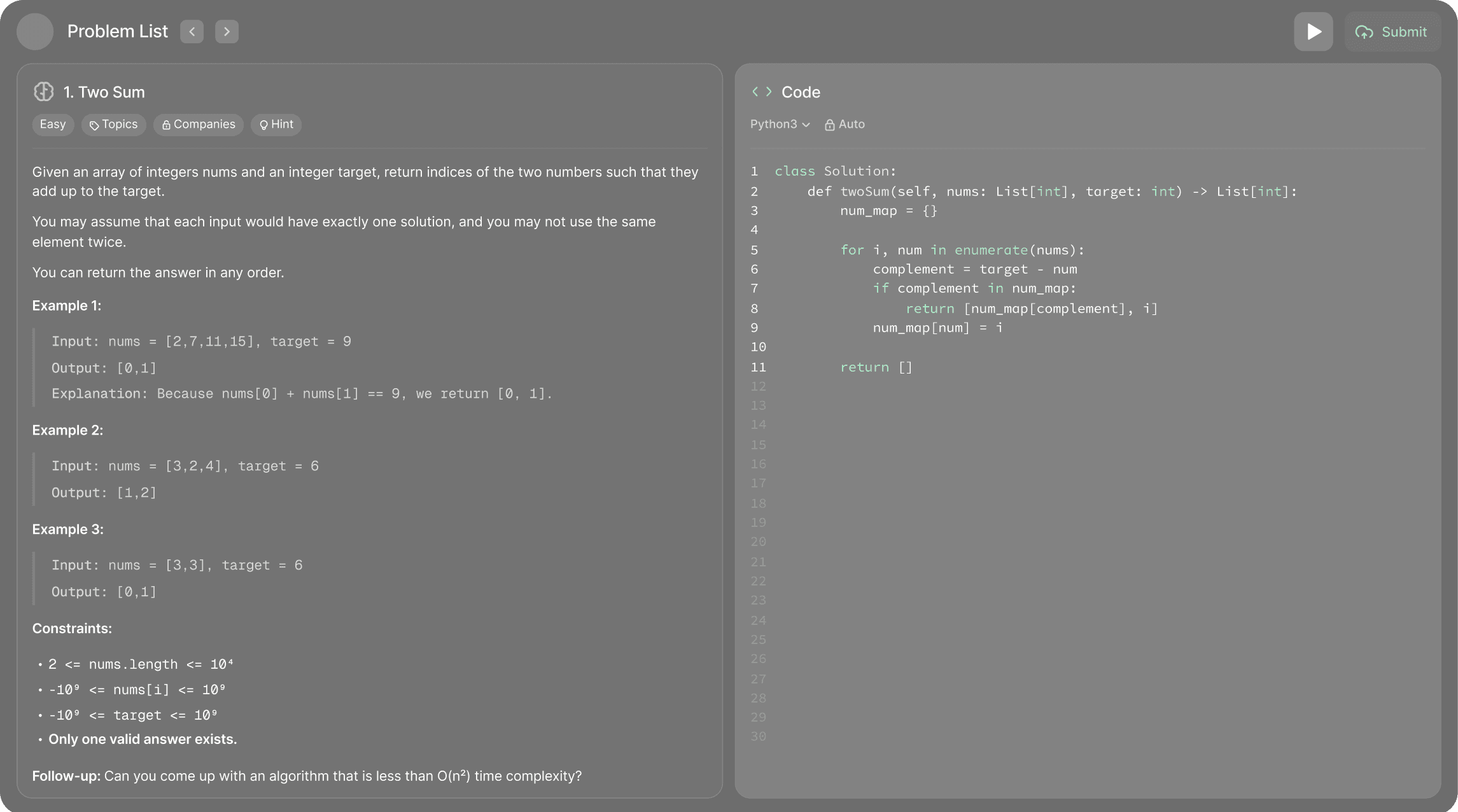
Data structure interviews test whether you can select and justify the right structure for each constraint set. Interview Coder analyzes the problem requirements — lookup speed, ordering, update frequency, memory — and recommends the optimal structure with a complete implementation.

Structure-first thinking
Analyzes problem constraints — lookup speed, ordering, insert/delete frequency, memory limits — and recommends the optimal data structure with justification.
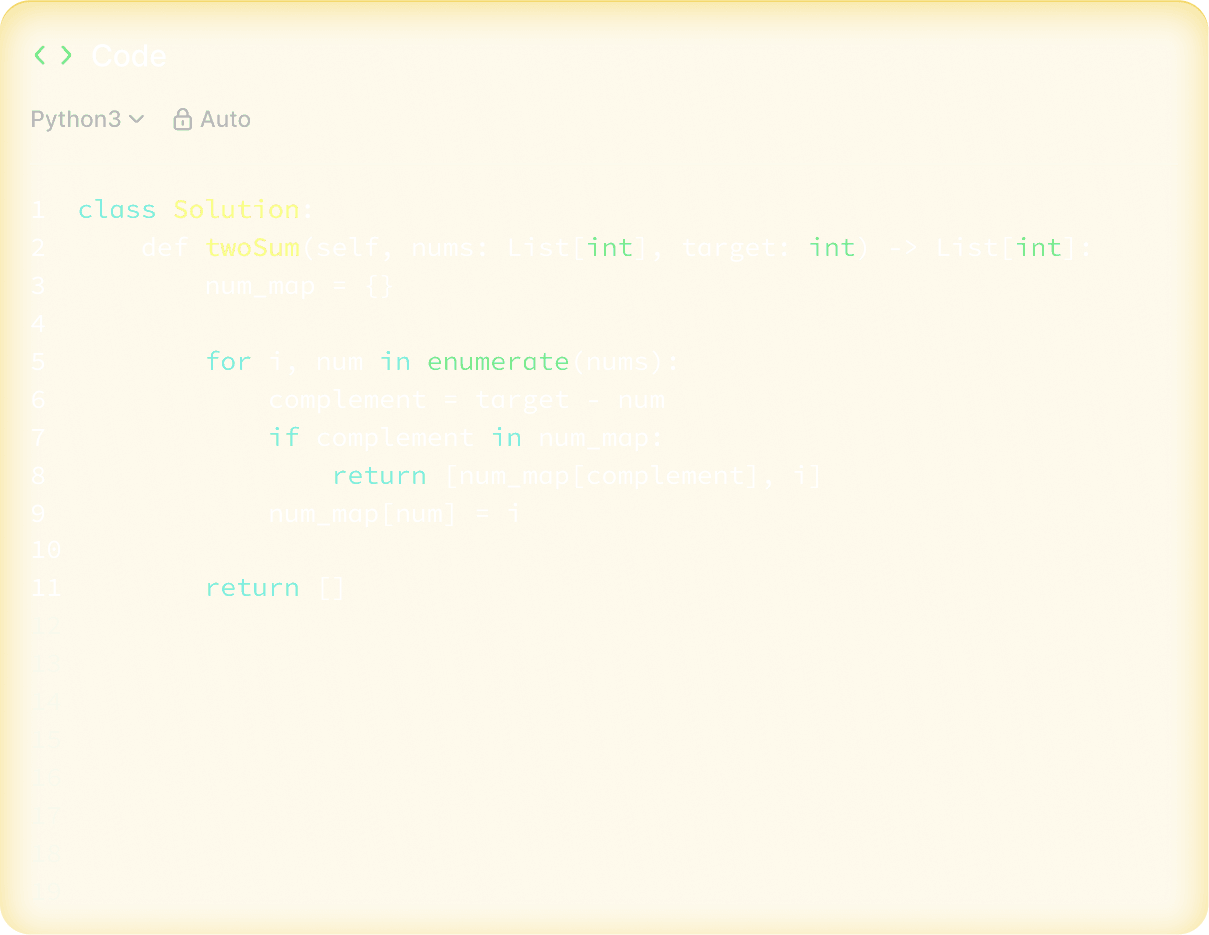
Generates complete, production-quality implementations of any data structure including hash maps, balanced BSTs, heaps, tries, segment trees, and union-find.
Shows side-by-side comparisons — HashMap vs TreeMap vs Trie, ArrayList vs LinkedList, MinHeap vs TreeSet — with operation complexity breakdowns.
When a problem requires a custom data structure (LRU Cache, MinStack, etc.), generates the full class with all required methods and edge case handling.
Expert advice
For each structure, know the access pattern: arrays for index access O(1), hash maps for key lookup O(1), heaps for min/max O(1), BSTs for ordered range O(log n). The right structure makes the algorithm trivial.
Interviewers love asking about amortized analysis. Know that ArrayList resize is O(1) amortized, hash table rehashing is O(1) amortized, and splay tree operations are O(log n) amortized — and be ready to explain why.
Many interviewers ask you to implement a data structure from scratch — an LRU cache, a trie, a min heap. Practice writing these without library support. The implementation itself is the interview.
Pro tip: Interview Coder generates clean, well-commented implementations that you can reference in real time if you get stuck.
The right data structure turns a hard problem into an easy one. Interview Coder helps you make that choice under pressure.
Works seamlessly in real interviews across engineering, product, data, and more.


From landing internships to staff roles at FAANG, Big Tech, Quant firms, and beyond.
Download for free
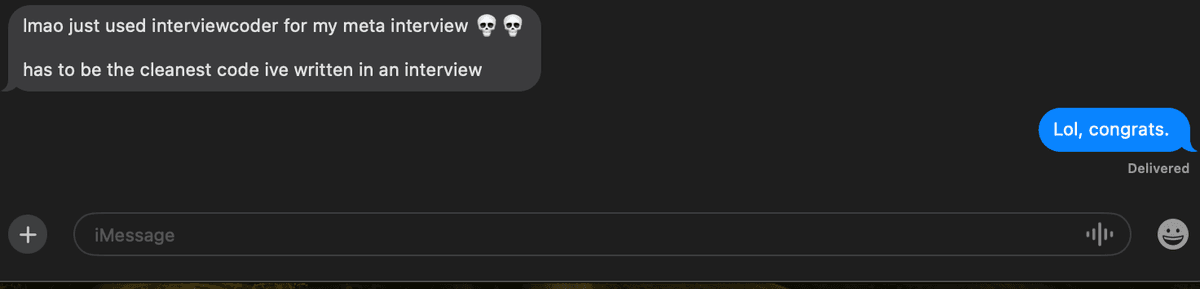
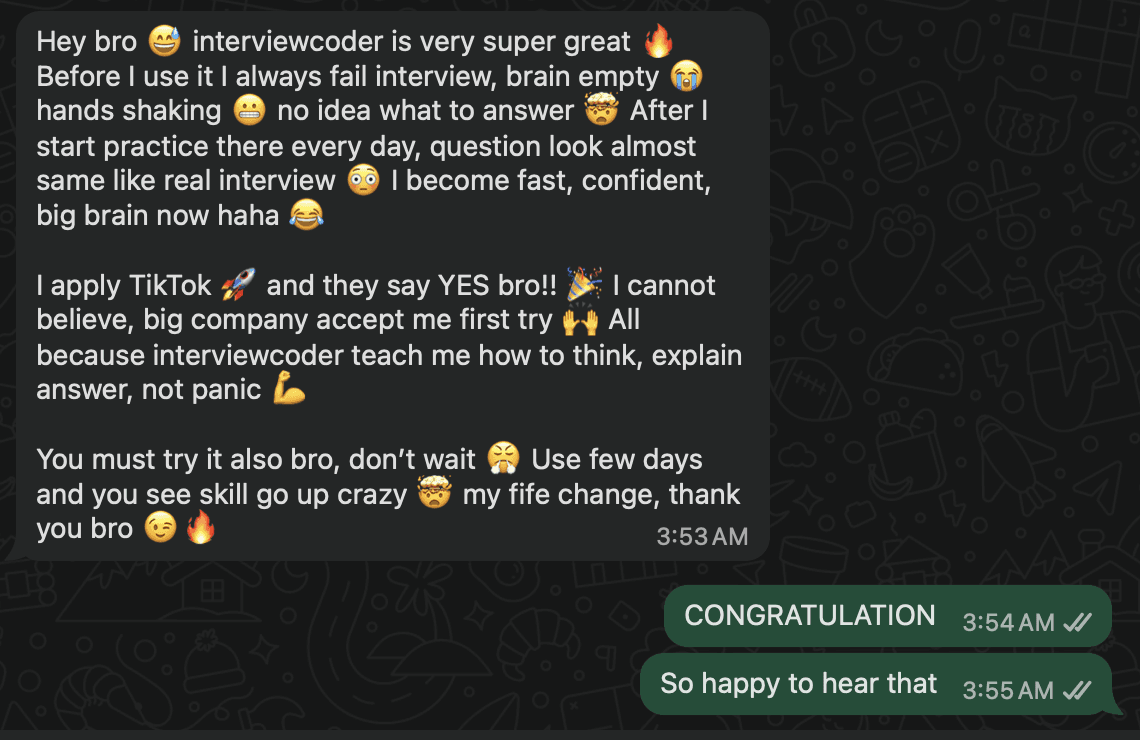
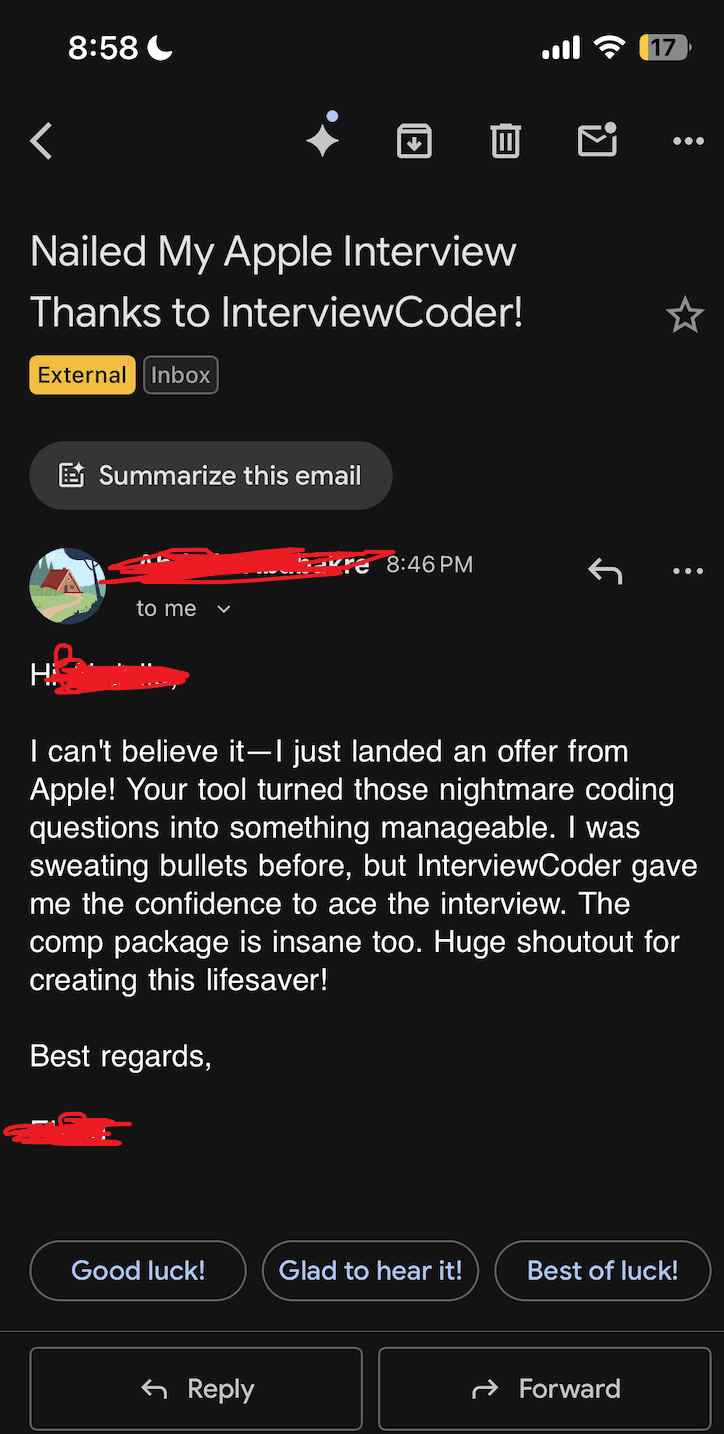
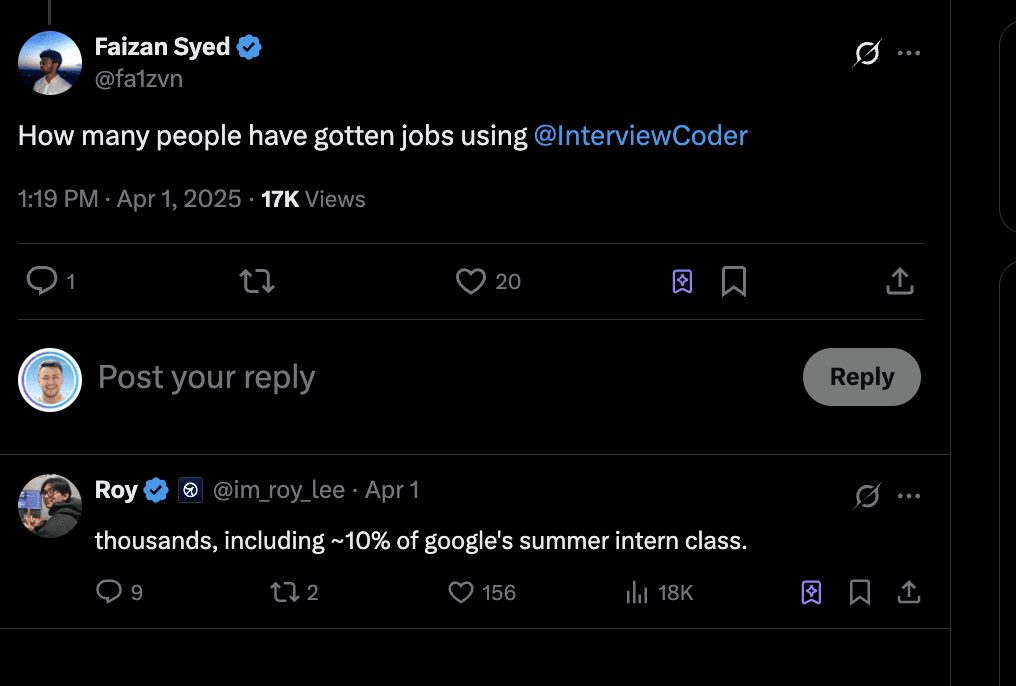
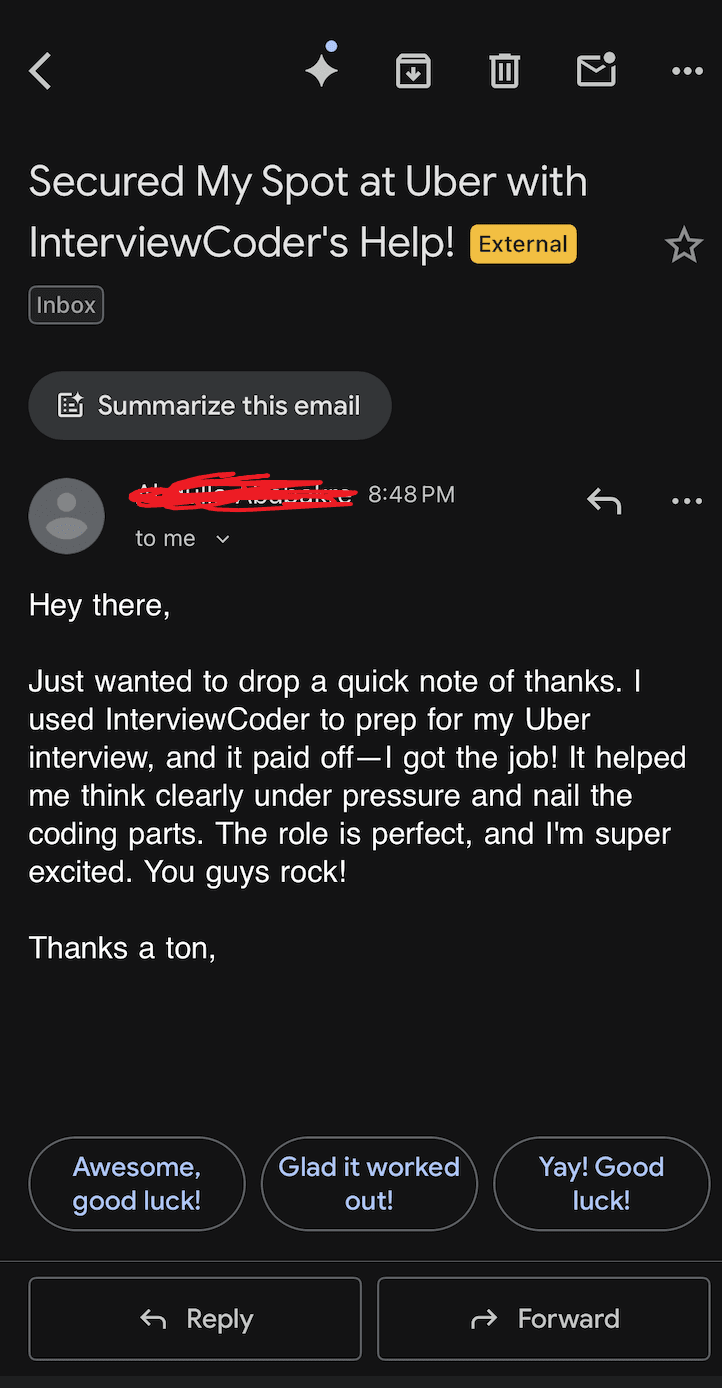


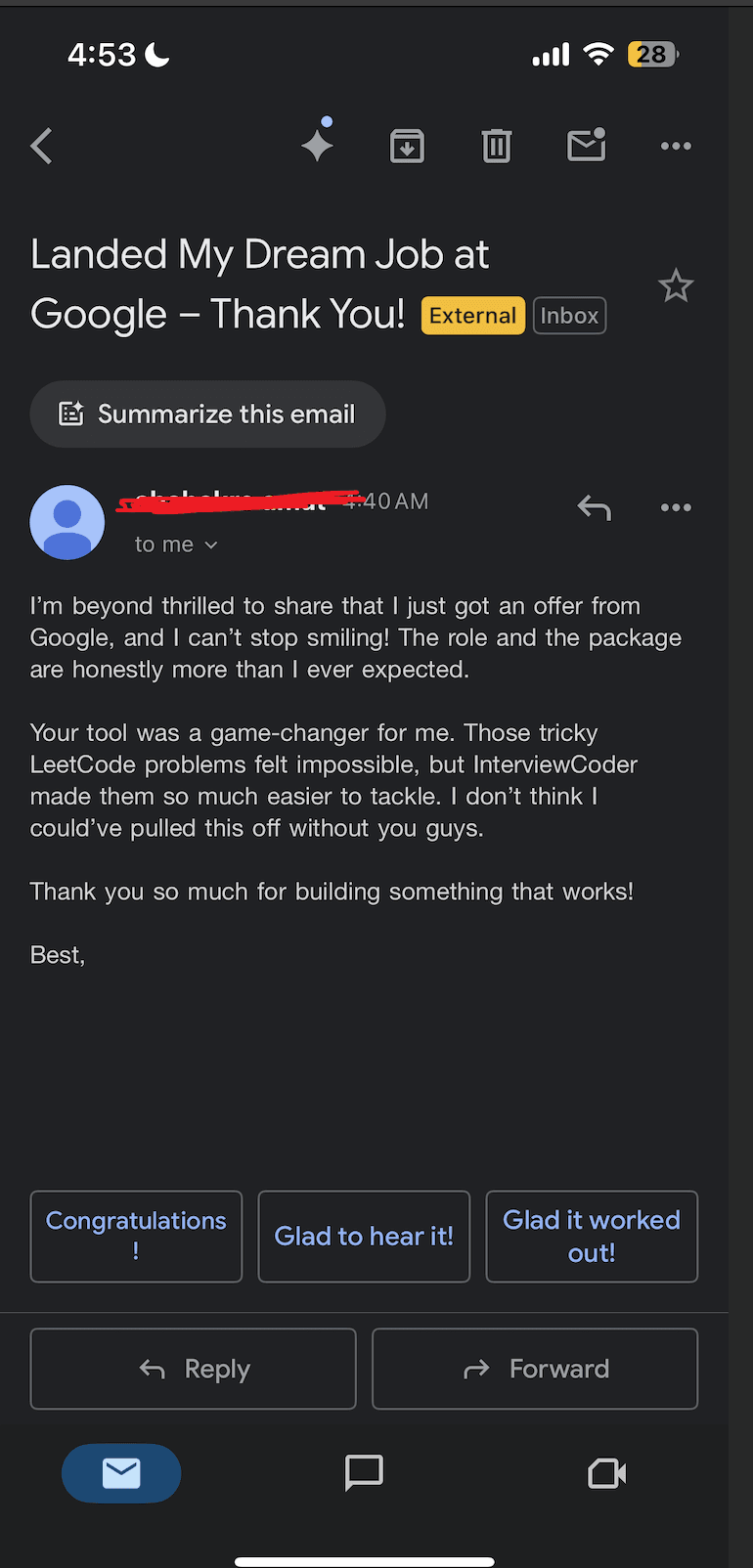







 and more...
Cracked $174k/yr job at Adobe with help of interview coder

Cracked $182k/yr job at amazon with help of interview coder

Cracked $95k/yr job at Capgemini with help of interview coder

Cracked $205k/yr job at Cloudflare with help of interview coder
Cracked $174k/yr job at Adobe with help of interview coder
Cracked $182k/yr job at amazon with help of interview coder
Cracked $95k/yr job at Capgemini with help of interview coder
Cracked $205k/yr job at Cloudflare with help of interview coder

Cracked $234k/yr job at Apple with help of interview coder

Cracked $85k/yr job at Flipkart with help of interview coder

Cracked $175k/yr job at IBM with help of interview coder

Cracked $185k/yr job at Microsoft with help of interview coder

Cracked $196k/yr job at NVIDIA with help of interview coder

Cracked $173k/yr job at PayPal with help of interview coder

Cracked $222k/yr job at Roblox with help of interview coder

Cracked $234k/yr job at Snowflake with help of interview coder
Data Structure Interview FAQ
Common Questions Answered
Interview Coder covers the full spectrum of data structures you will encounter in technical interviews. This includes fundamental structures like arrays, linked lists, hash maps, sets, stacks, queues, and deques. It also handles tree-based structures including binary trees, BSTs, AVL trees, red-black trees, heaps, and priority queues. For advanced problems, it supports tries, segment trees, Fenwick trees, union-find (disjoint sets), and graphs in both adjacency list and adjacency matrix representations. Custom composite structures that combine multiple primitives are also fully supported.
Couldn't find your answer?
Send us an email at abdulla@interviewcoder.com

Instant data structure selection and implementation during your interview. Interview Coder analyzes constraints and generates optimal implementations in seconds.